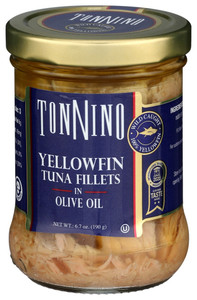
Chunk Light Yellowfin Tuna - 5 oz
Cadia
$2.99
Below are the available bulk discount rates for each individual item when you purchase a certain amount
- Buy 2 - 11 and get 2% off
- Buy 12 - 23 and get 4% off
- Buy 24 or above and get 8% off
(No reviews yet)

Write a Review

Cadia
Chunk Light Yellowfin Tuna - 5 oz
Cadia's Chunk Light Yellowfin Tuna is wild-caught and dolphin-safe, packed simply and honestly. It's a straightforward can you can trust, with sourcing you don't have to guess at.
- Ready to fold into a salad, sandwich, or weeknight pasta straight from the can — no prep beyond opening it
- Wild-caught, dolphin-safe yellowfin tuna, sourced with care for other marine life
- Made with non-GMO ingredients, fitting easily into paleo, keto, and pescatarian ways of eating
Cadia's Chunk Light Yellowfin Tuna is wild-caught and dolphin-safe, packed simply in water. This straightforward sourcing approach is what makes it a genuinely sustainably sourced canned tuna.
Each 5 oz can delivers flaked, chunk light yellowfin tuna -- a leaner, milder cut than solid white albacore. Per FDA/EPA seafood advisories, yellowfin tuna falls into the "Good Choices" category (about one serving per week), the same category as albacore, while some other canned light tuna varieties made from smaller fish fall into the lower-mercury "Best Choices" category.
Keep a few cans in the pantry for a fast source of lean, high-protein filling for salads, grain bowls, or a classic tuna melt -- no cooking required, just open and serve.
Non-GMO and naturally gluten-free, this tuna fits paleo, keto, and pescatarian diets. Store unopened cans in a cool, dry pantry; refrigerate leftovers in a sealed container after opening and use within a few days.
Common Questions
How does pole and line caught yellowfin actually differ from conventional canned tuna?
Most canned tuna on grocery shelves comes from purse seine boats fishing around FADs (fish aggregating devices), a method that scoops up everything swimming near the device — juvenile tuna, sharks, rays, and other species get caught along with the target fish, with bycatch rates on FAD sets running as high as 10-20% of total catch in some fisheries. Pole and line fishing lands one fish at a time, so bycatch is typically under 1%. The tuna itself isn't biologically different, but the fishing method changes what else dies to bring it to your can, and it's the main reason pole and line yellowfin costs more than commodity chunk light.
What's the mercury and omega-3 profile of yellowfin versus albacore tuna?
FDA/EPA seafood advisories place light tuna (which includes yellowfin) in their least-restrictive category, with an average mercury level around 0.126 ppm, compared to albacore/white tuna's average of about 0.32 ppm — roughly two and a half times higher. This happens because albacore is a larger, longer-lived fish that sits higher on the food chain and accumulates more methylmercury through its diet over its lifespan. Yellowfin still contains omega-3s (EPA and DHA), though generally less than fattier fish like salmon or albacore, since it's a leaner-fleshed species. The tradeoff is a milder-tasting, lower-mercury fish that most nutrition guidelines say can be eaten more frequently than albacore.
Does this fit keto, paleo, or carnivore eating?
Yes to all three. A 5 oz can of chunk light yellowfin is essentially pure lean protein — roughly 30-32 grams of protein, under 2 grams of fat, and zero carbohydrates per can, with no fillers or breading to worry about. For keto and carnivore diets that means it counts as clean protein without touching your carb budget, and for paleo it satisfies the no-grain, no-additive standard as long as the ingredient list stays limited to tuna, water or oil, and salt. It's also a practical option for pescatarian versions of any of these diets since it's not red meat.
What dishes can I substitute this into besides a basic tuna salad?
Beyond the classic tuna melt or mayo-based salad, flaked yellowfin works well swapped into recipes that call for shredded chicken — think tuna cakes or patties in place of chicken patties, tuna-stuffed avocados, or a tuna version of chicken salad lettuce wraps. It also holds up in grain bowls, pasta puttanesca, or folded into a frittata for a protein boost. Since the tuna is already fully cooked, the main adaptation is timing: add it at the end of cooking (off heat or in the last minute) so it stays flaked rather than turning mushy or overly warmed through.
What does the Organic certification mean for a canned fish product?
Organic certification for seafood in the U.S. mostly applies to how the product is processed and packaged rather than the fish's diet, since USDA doesn't yet have a wild-catch organic standard the way it does for farmed products or produce. In practice, it means the tuna is packed without synthetic preservatives, artificial flavors, or non-organic additives, and any accompanying oil or broth meets USDA organic sourcing rules. To verify any sourcing claim, look for the certifier's name and number printed near the USDA Organic seal on the can, which you can cross-check on the USDA's organic integrity database.
Why choose chunk light yellowfin instead of solid white albacore?
The two come from different species and different parts of the fish, which changes texture, taste, and nutrition. Yellowfin chunk light is flaked, milder in flavor, and leaner than solid albacore loin, which tends to be firmer and slightly fattier. Because yellowfin averages lower mercury levels (around 0.126 ppm versus albacore's 0.32 ppm), FDA guidance allows more frequent servings per week for most adults, and it's often the preferred choice for pregnant women or anyone eating tuna several times a week. If you want a neutral base for salads, melts, or casseroles rather than a standalone seared-steak texture, chunk light yellowfin is the more practical everyday pick.
Each 5 oz can delivers flaked, chunk light yellowfin tuna -- a leaner, milder cut than solid white albacore. Per FDA/EPA seafood advisories, yellowfin tuna falls into the "Good Choices" category (about one serving per week), the same category as albacore, while some other canned light tuna varieties made from smaller fish fall into the lower-mercury "Best Choices" category.
Keep a few cans in the pantry for a fast source of lean, high-protein filling for salads, grain bowls, or a classic tuna melt -- no cooking required, just open and serve.
Non-GMO and naturally gluten-free, this tuna fits paleo, keto, and pescatarian diets. Store unopened cans in a cool, dry pantry; refrigerate leftovers in a sealed container after opening and use within a few days.
Common Questions
How does pole and line caught yellowfin actually differ from conventional canned tuna?
Most canned tuna on grocery shelves comes from purse seine boats fishing around FADs (fish aggregating devices), a method that scoops up everything swimming near the device — juvenile tuna, sharks, rays, and other species get caught along with the target fish, with bycatch rates on FAD sets running as high as 10-20% of total catch in some fisheries. Pole and line fishing lands one fish at a time, so bycatch is typically under 1%. The tuna itself isn't biologically different, but the fishing method changes what else dies to bring it to your can, and it's the main reason pole and line yellowfin costs more than commodity chunk light.
What's the mercury and omega-3 profile of yellowfin versus albacore tuna?
FDA/EPA seafood advisories place light tuna (which includes yellowfin) in their least-restrictive category, with an average mercury level around 0.126 ppm, compared to albacore/white tuna's average of about 0.32 ppm — roughly two and a half times higher. This happens because albacore is a larger, longer-lived fish that sits higher on the food chain and accumulates more methylmercury through its diet over its lifespan. Yellowfin still contains omega-3s (EPA and DHA), though generally less than fattier fish like salmon or albacore, since it's a leaner-fleshed species. The tradeoff is a milder-tasting, lower-mercury fish that most nutrition guidelines say can be eaten more frequently than albacore.
Does this fit keto, paleo, or carnivore eating?
Yes to all three. A 5 oz can of chunk light yellowfin is essentially pure lean protein — roughly 30-32 grams of protein, under 2 grams of fat, and zero carbohydrates per can, with no fillers or breading to worry about. For keto and carnivore diets that means it counts as clean protein without touching your carb budget, and for paleo it satisfies the no-grain, no-additive standard as long as the ingredient list stays limited to tuna, water or oil, and salt. It's also a practical option for pescatarian versions of any of these diets since it's not red meat.
What dishes can I substitute this into besides a basic tuna salad?
Beyond the classic tuna melt or mayo-based salad, flaked yellowfin works well swapped into recipes that call for shredded chicken — think tuna cakes or patties in place of chicken patties, tuna-stuffed avocados, or a tuna version of chicken salad lettuce wraps. It also holds up in grain bowls, pasta puttanesca, or folded into a frittata for a protein boost. Since the tuna is already fully cooked, the main adaptation is timing: add it at the end of cooking (off heat or in the last minute) so it stays flaked rather than turning mushy or overly warmed through.
What does the Organic certification mean for a canned fish product?
Organic certification for seafood in the U.S. mostly applies to how the product is processed and packaged rather than the fish's diet, since USDA doesn't yet have a wild-catch organic standard the way it does for farmed products or produce. In practice, it means the tuna is packed without synthetic preservatives, artificial flavors, or non-organic additives, and any accompanying oil or broth meets USDA organic sourcing rules. To verify any sourcing claim, look for the certifier's name and number printed near the USDA Organic seal on the can, which you can cross-check on the USDA's organic integrity database.
Why choose chunk light yellowfin instead of solid white albacore?
The two come from different species and different parts of the fish, which changes texture, taste, and nutrition. Yellowfin chunk light is flaked, milder in flavor, and leaner than solid albacore loin, which tends to be firmer and slightly fattier. Because yellowfin averages lower mercury levels (around 0.126 ppm versus albacore's 0.32 ppm), FDA guidance allows more frequent servings per week for most adults, and it's often the preferred choice for pregnant women or anyone eating tuna several times a week. If you want a neutral base for salads, melts, or casseroles rather than a standalone seared-steak texture, chunk light yellowfin is the more practical everyday pick.
- __Storage_Location:
- Dry
- __Volume:
- 330
- __Owner:
- TCFarm
- __badge:
- Organic