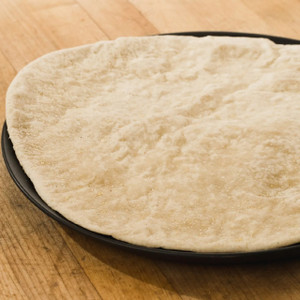
Chickpea Pizza Crust - 13.4 oz
Banza
$10.49
Below are the available bulk discount rates for each individual item when you purchase a certain amount
- Buy 2 - 2 and get 2% off
- Buy 3 - 5 and get 4% off
- Buy 6 or above and get 8% off
(No reviews yet)

Write a Review

Banza
Chickpea Pizza Crust - 13.4 oz
Chickpeas are the whole story here — Banza swapped wheat flour for chickpea flour and built a crust that browns, crisps, and holds toppings exactly like the crust your family already asks for, just rebuilt from a better base. It's the format everyone loves with more protein and fiber working underneath the sauce.
- A blank canvas for classic pies, pineapple debates, or whatever your table piles on — two crusts per pack means pizza night twice over.
- Built from chickpeas instead of wheat, so it carries more protein and fiber per slice than a traditional flour crust without asking anyone to give up the format.
- GFCO-certified gluten-free and vegan, so it fits the table when everyone at it is eating something different.
Banza started with a simple question: what if pizza night could add protein and fiber instead of just refined carbs? This chickpea pizza crust answers it - built from chickpeas instead of wheat, then baked into a base engineered to crisp, brown, and hold toppings the way a crust is supposed to.
Each pack holds two crusts, 13.4 ounces total, ready for your own sauce, cheese, and toppings. Because the base is chickpeas rather than refined wheat flour, it brings more protein and fiber to the table than a conventional crust - the same comfort-food format, rebuilt with a legume that happens to be nutrient-dense.
Bake it straight on the oven rack or a pizza stone for the crispest edge, then load it up: this crust holds its structure under a classic four-cheese pie, a loaded veggie combination, or a thin-crust pepperoni without going soft in the middle.
This gluten-free (GFCO-certified) and vegan pizza crust fits a table where dietary needs vary from one person to the next; because it's chickpea- and tapioca-based, it isn't a fit for keto or paleo eating plans, which is worth knowing before you build your order. Keep it in the freezer until you're ready to build your pizza.
Ingredients: Chickpeas, Water, Tapioca, Cocoa Butter, Olive Oil, and Less Than 2% Of: Yeast, Oregano, Garlic Powder, Salt, Date Powder, Sunflower Lecithin, Xanthan Gum, and Baking Powder (Calcium Carbonate, Sodium Acid Pyrophosphate, Sodium Bicarbonate, Monocalcium Phosphate).
Common Questions
How does this chickpea crust compare nutritionally to a regular wheat pizza crust?
A standard thin wheat crust runs about 3-4 grams of protein and 1-2 grams of fiber per serving, with most of its calories coming from refined flour with little nutritional density beyond starch. Banza's chickpea crust roughly doubles the protein and triples the fiber per equivalent serving because chickpeas are naturally 20% protein by dry weight and carry significant resistant starch and soluble fiber in their cell walls. The tapioca and cocoa butter in the recipe replace refined wheat flour and shortening, so you get a comparable crisp-and-chew texture without wheat as the base starch. Total carbohydrate count is similar between the two, but a larger share of Banza's carbs come bundled with fiber rather than as isolated starch.
What makes chickpeas nutritionally different from wheat flour in a crust like this?
Chickpeas contain both soluble and insoluble fiber, plus resistant starch, which slows glucose absorption compared to the rapidly digested starch in refined wheat flour — this is why legume-based foods generally produce a lower blood sugar spike than equivalent wheat products. Chickpeas also supply a fuller amino acid profile than wheat, including more lysine, an amino acid wheat is naturally low in. The fiber content specifically feeds short-chain fatty acid production in the gut via bacterial fermentation, a mechanism linked to digestive and metabolic benefits that plain wheat starch doesn't provide. None of this changes how the crust bakes or tastes — it's baked with tapioca and olive oil specifically to preserve the crisp structure a pizza eater expects.
Does this crust work for keto, paleo, or carnivore diets?
No, this crust does not fit any of those three protocols. Chickpeas are a legume with roughly 20-27 grams of net carbohydrate per 100 grams, which is too high for a ketogenic macro target of 20-50 total grams of carbs per day. Paleo eating plans specifically exclude legumes because they weren't part of pre-agricultural human diets, and carnivore excludes all plant foods by definition. This crust is built for gluten-free and vegan eating patterns instead — if you're following keto or carnivore, a cauliflower-based or almond-flour crust would be a better macro fit.
Can I use this crust for something other than a classic pizza?
Yes — the same base works well as a flatbread for hummus or dips, a foundation for a breakfast pizza with eggs and vegetables, or a garlic-bread style side if you brush it with olive oil, garlic, and herbs before baking without sauce or cheese. Because the crust holds structure well under wet toppings, it also works for a loaded taco-style pizza or a Mediterranean version with feta, olives, and tomatoes. One adaptation to note: because the crust is denser than a wheat crust, thin single-layer toppings bake faster, so watch it a few minutes earlier than you would a conventional crust recipe. Bake directly on a rack or stone rather than a sheet pan for the best crisp on any of these variations.
What do the gluten-free and vegan certifications on this product actually verify?
The GFCO (Gluten-Free Certification Organization) mark means the product has been independently tested and confirmed to contain less than 10 parts per million of gluten, which is stricter than the FDA's standard threshold of 20 parts per million for gluten-free labeling. The vegan certification confirms no animal-derived ingredients or processing aids were used anywhere in the formulation, which matters here since cocoa butter and lecithin sourcing can sometimes involve animal-derived processing agents in other products. Non-GMO status is worth confirming on the package you receive, since Banza's Non-GMO Project Verified certification applies to specific SKUs and formulations rather than the entire product line. You can verify any of these certifications directly through the GFCO database or the Non-GMO Project's product verification lookup using the certification number printed on the package.
Why chickpeas specifically, instead of another gluten-free base like rice or cauliflower flour?
Chickpea flour has a protein content of roughly 20 grams per 100 grams dry weight, compared to about 2-3 grams for rice flour and negligible protein in cauliflower once you account for its high water content. That protein and starch structure allows chickpea dough to develop enough elasticity and browning capacity to mimic traditional crust behavior — rice-based gluten-free crusts tend to be more brittle, and cauliflower crusts typically need extra binders and don't crisp the same way in the center. The tapioca in this recipe supplements the chickpea base with the stretch that gluten normally provides, since chickpea protein alone doesn't form the same elastic network. This combination is why the crust can hold a four-cheese pie or wet toppings without turning soft, which is a common failure point for other gluten-free crust bases.
Is this crust suitable for someone with a legume or chickpea allergy?
No — chickpeas are the primary ingredient, so this product is not appropriate for anyone with a chickpea or broader legume sensitivity. It is gluten-free and made without wheat, dairy, or egg, which addresses those specific allergen concerns, but a chickpea allergy is a separate consideration entirely. If you have a diagnosed legume allergy, this crust should be avoided regardless of its gluten-free or vegan status. Always check the full ingredient list on the package you receive, since formulations can be updated over time.
- __Storage_Location:
- Frozen
- __Volume:
- 1587
- __Owner:
- TCFarm
- __badge:
- Gluten-Free
Related Products
-
-
-
Sale
-
Sale