


Cherry Blossom Bar Soap - 4.0 oz
The Good Collective
$5.89
Below are the available bulk discount rates for each individual item when you purchase a certain amount
- Buy 2 - 2 and get 2% off
- Buy 3 - 4 and get 4% off
- Buy 5 or above and get 8% off
(No reviews yet)

Write a Review
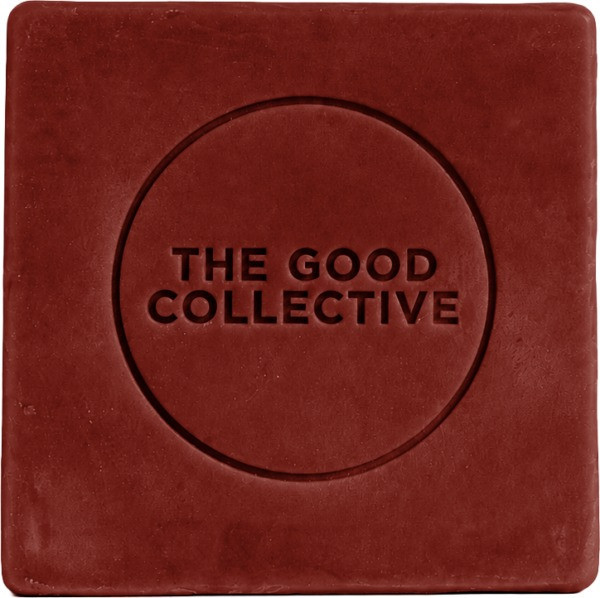
The Good Collective
Cherry Blossom Bar Soap - 4.0 oz
Cold-processed in small batches, this bar pairs floral cherry blossom with warm almond for a scent that reads soft, not saccharine. Coconut oil and shea butter are built into the formula to leave skin coated in moisture rather than stripped by it, and the bar carries no parabens, phthalates, or sulfates.
- Works as a daily hand-and-body bar for anyone who wants a soft, floral scented wash for hands and body.
- Cold-process saponification keeps the plant oils intact instead of heating them out, so the coconut oil, shea butter, sweet orange oil, and lemon peel oil stay active in the finished bar rather than just listed on the label.
- Vegan formula with no animal-derived ingredients, and never tested on animals.
The Good Collective is a private-label brand carried by independent grocers, so this probably isn't a name you've seen before. It's held to the same formulation bar as national bar soaps -- vegan, cold-processed, free of parabens, phthalates, and sulfates -- without the marketing spend and big-retail slotting fees that get built into a more recognizable brand's price.
This Cherry Blossom Bar Soap is a hand-crafted, cold-processed vegan bar soap formula. The scent pairs floral cherry blossom with warm almond, rounded out with sweet orange oil and lemon peel oil. Coconut oil and shea butter are worked into the base for a wash that hydrates rather than dries out skin. As a topical wash bar rather than a food, it isn't classified under keto, paleo, or carnivore diet frameworks, though it is fully vegan and free of animal-derived ingredients.
Use it as a daily hand or body bar -- work up a lather at the sink or in the shower and rinse clean. Because the formula skips parabens, phthalates, and sulfates, it's a straightforward swap for anyone who reads a soap label the way they read a food label.
Vegan and never tested on animals. Store the bar in a dry dish between uses, away from standing water, to keep it from softening too fast. The brand has not published where this batch is manufactured, so we can't state a specific sourcing region here.
Common Questions
How does this cold-processed bar actually compare to a conventional drugstore soap?
Most mass-market bars are made from detergent-based cleansers, and the glycerin that soap-making naturally produces is often removed during manufacturing and sold separately to cosmetics companies. That's why those bars can leave skin feeling tight after rinsing. This Cherry Blossom bar is cold-processed, meaning the oils and lye react slowly at low heat over several weeks, so the glycerin stays in the bar along with the fatty acids from coconut oil and shea butter. Both types of bar land in a similar mildly alkaline pH range, roughly 9 to 10, so the practical difference isn't acidity, it's how much of the moisturizing byproduct actually makes it into the finished bar you're using.
What does cold processing actually do to the soap, mechanically?
Cold process soap-making is a chemical reaction called saponification, where plant oils are combined with a lye solution and kept below roughly 120°F rather than cooked at high heat. The mixture is poured into molds and cured for about four to six weeks, during which excess water evaporates and the bar hardens. Coconut oil contributes lauric acid, which is largely responsible for a bubbly, cleansing lather, while shea butter brings fatty acids like oleic and stearic acid along with unsaponifiable plant compounds that stay behind as conditioning agents rather than fully converting to soap. The slow cure time is what allows the glycerin to remain in the final bar instead of being stripped out industrially.
Is this soap really vegan, and what replaces the animal fat that traditional soap recipes use?
Yes, it's formulated and labeled vegan, meaning no tallow, lard, or other rendered animal fats are part of the recipe. Historically, a lot of hard bar soap recipes lean on beef tallow because animal fat hardens a bar and extends its shelf life. This formula substitutes coconut oil, which is roughly 45 to 50 percent lauric acid and drives the lather, plus shea butter for the conditioning and bar hardness that tallow would otherwise provide. It's also never tested on animals, which is a separate claim from the vegan formulation itself but often travels together.
Can I use this as both a hand soap and a body wash, and will it lather in hard water?
Yes, it's designed as a daily hand or body bar, so you can keep it at the sink or in the shower. Hard water contains calcium and magnesium minerals that bind to soap molecules and reduce lather, which is true for any real soap, not just this one, but coconut-oil-based bars tend to lather more reliably in hard water than tallow-heavy or purely detergent bars because of that higher lauric acid content. It's formulated for skin, not hair, so it isn't meant to double as shampoo given the pH difference between skin and hair cuticle needs.
How can I verify the parabens-phthalates-sulfates-free claim myself?
Check the ingredient panel on the actual bar packaging rather than relying on marketing copy, since that's the only place the full formulation is legally required to appear. In a true cold-processed soap, oils show up on the label as saponified compounds, things like sodium cocoate or sodium shea butterate, rather than as raw oils, which is a quick way to confirm it's actual soap and not a detergent bar labeled loosely as one. Cold-processed is a manufacturing description, not a third-party-audited certification, so there's no outside body stamping that claim, which means the ingredient list itself is your best verification tool.
Why does this cost less than a comparable national-brand bar soap?
The Good Collective is a private-label brand sold through independent grocers rather than big national retail chains, so the price doesn't carry the marketing budgets or slotting fees that brands pay to secure shelf space at large chains. The formulation standard, cold-processed, vegan, free of parabens, phthalates, and sulfates, is held to the same bar as recognizable national brands. The cost difference mostly reflects distribution and brand-building spend rather than a difference in the soap-making process or ingredient quality.
Is the cherry blossom scent from essential oils, and why does it smell different from a real cherry blossom?
Sweet orange oil and lemon peel oil are cold-pressed citrus essential oils, so those two notes come directly from the fruit peel. Cherry blossom itself isn't practically extractable into a standalone essential oil in commercial quantities, so that floral note along with the warm almond accent is typically achieved through a fragrance blend rather than a single-source oil, which is standard practice across the bar soap category even among naturally formulated brands. Buyers should confirm the exact scent-ingredient listing on the physical packaging since fragrance sourcing can vary by production batch.
This Cherry Blossom Bar Soap is a hand-crafted, cold-processed vegan bar soap formula. The scent pairs floral cherry blossom with warm almond, rounded out with sweet orange oil and lemon peel oil. Coconut oil and shea butter are worked into the base for a wash that hydrates rather than dries out skin. As a topical wash bar rather than a food, it isn't classified under keto, paleo, or carnivore diet frameworks, though it is fully vegan and free of animal-derived ingredients.
Use it as a daily hand or body bar -- work up a lather at the sink or in the shower and rinse clean. Because the formula skips parabens, phthalates, and sulfates, it's a straightforward swap for anyone who reads a soap label the way they read a food label.
Vegan and never tested on animals. Store the bar in a dry dish between uses, away from standing water, to keep it from softening too fast. The brand has not published where this batch is manufactured, so we can't state a specific sourcing region here.
Common Questions
How does this cold-processed bar actually compare to a conventional drugstore soap?
Most mass-market bars are made from detergent-based cleansers, and the glycerin that soap-making naturally produces is often removed during manufacturing and sold separately to cosmetics companies. That's why those bars can leave skin feeling tight after rinsing. This Cherry Blossom bar is cold-processed, meaning the oils and lye react slowly at low heat over several weeks, so the glycerin stays in the bar along with the fatty acids from coconut oil and shea butter. Both types of bar land in a similar mildly alkaline pH range, roughly 9 to 10, so the practical difference isn't acidity, it's how much of the moisturizing byproduct actually makes it into the finished bar you're using.
What does cold processing actually do to the soap, mechanically?
Cold process soap-making is a chemical reaction called saponification, where plant oils are combined with a lye solution and kept below roughly 120°F rather than cooked at high heat. The mixture is poured into molds and cured for about four to six weeks, during which excess water evaporates and the bar hardens. Coconut oil contributes lauric acid, which is largely responsible for a bubbly, cleansing lather, while shea butter brings fatty acids like oleic and stearic acid along with unsaponifiable plant compounds that stay behind as conditioning agents rather than fully converting to soap. The slow cure time is what allows the glycerin to remain in the final bar instead of being stripped out industrially.
Is this soap really vegan, and what replaces the animal fat that traditional soap recipes use?
Yes, it's formulated and labeled vegan, meaning no tallow, lard, or other rendered animal fats are part of the recipe. Historically, a lot of hard bar soap recipes lean on beef tallow because animal fat hardens a bar and extends its shelf life. This formula substitutes coconut oil, which is roughly 45 to 50 percent lauric acid and drives the lather, plus shea butter for the conditioning and bar hardness that tallow would otherwise provide. It's also never tested on animals, which is a separate claim from the vegan formulation itself but often travels together.
Can I use this as both a hand soap and a body wash, and will it lather in hard water?
Yes, it's designed as a daily hand or body bar, so you can keep it at the sink or in the shower. Hard water contains calcium and magnesium minerals that bind to soap molecules and reduce lather, which is true for any real soap, not just this one, but coconut-oil-based bars tend to lather more reliably in hard water than tallow-heavy or purely detergent bars because of that higher lauric acid content. It's formulated for skin, not hair, so it isn't meant to double as shampoo given the pH difference between skin and hair cuticle needs.
How can I verify the parabens-phthalates-sulfates-free claim myself?
Check the ingredient panel on the actual bar packaging rather than relying on marketing copy, since that's the only place the full formulation is legally required to appear. In a true cold-processed soap, oils show up on the label as saponified compounds, things like sodium cocoate or sodium shea butterate, rather than as raw oils, which is a quick way to confirm it's actual soap and not a detergent bar labeled loosely as one. Cold-processed is a manufacturing description, not a third-party-audited certification, so there's no outside body stamping that claim, which means the ingredient list itself is your best verification tool.
Why does this cost less than a comparable national-brand bar soap?
The Good Collective is a private-label brand sold through independent grocers rather than big national retail chains, so the price doesn't carry the marketing budgets or slotting fees that brands pay to secure shelf space at large chains. The formulation standard, cold-processed, vegan, free of parabens, phthalates, and sulfates, is held to the same bar as recognizable national brands. The cost difference mostly reflects distribution and brand-building spend rather than a difference in the soap-making process or ingredient quality.
Is the cherry blossom scent from essential oils, and why does it smell different from a real cherry blossom?
Sweet orange oil and lemon peel oil are cold-pressed citrus essential oils, so those two notes come directly from the fruit peel. Cherry blossom itself isn't practically extractable into a standalone essential oil in commercial quantities, so that floral note along with the warm almond accent is typically achieved through a fragrance blend rather than a single-source oil, which is standard practice across the bar soap category even among naturally formulated brands. Buyers should confirm the exact scent-ingredient listing on the physical packaging since fragrance sourcing can vary by production batch.
- __Storage_Location:
- Dry
- __Volume:
- 162
- __Owner:
- TCFarm
- __badge:
- Vegan


